
Small changes make a real difference - piloting the small producers fund

In December 2025, we launched the Small Producers Pilot Fund to support small food and drink producers in the Highlands and Islands. Read more about how the fund supported local businesses in Anna Miller's blog.
In December last year we launched the Small Producers Pilot Fund to support small food and drink producers in the Highlands and Islands. We were given a budget of £175,000 from the Scottish Government and offered capital grants of £10,000-£50,000 for projects that would provide services or benefits to a group of small producers.
Across the region, small producers in rural or island locations face many challenges - distance to market, cost, access to facilities, and the seasonal nature of production. This fund was designed to help tackle those barriers.
The fund has supported seven projects. Each is different, but a few clear themes run through them.
Collective impact through collaboration
One of the strongest messages coming through is the collective impact these projects can achieve.
On Skye, Croft Cat is working with local crofters to develop a shared approach to goats’ milk production. The £19,000 they received has helped them invest in processing equipment that as a single producer they couldn’t justify. Together it makes sense, reducing costs and opening the door to new, high-value products and income streams.
A similar story is emerging on Ulva, where Ulva Larder is developing a flexible production space that can be used by multiple small producers. Access to facilities like this can be a real challenge in remote areas, so having something shared and local is a big step forward.
These aren’t just individual business wins. They’re about building networks that make small-scale production more viable.
Keeping more value local
Another thing that stands out is the importance of local processing. If you can’t process locally, you’re often sending products off-island or long distances. This adds to the costs and complexity of doing business and loses some of the local story along the way.
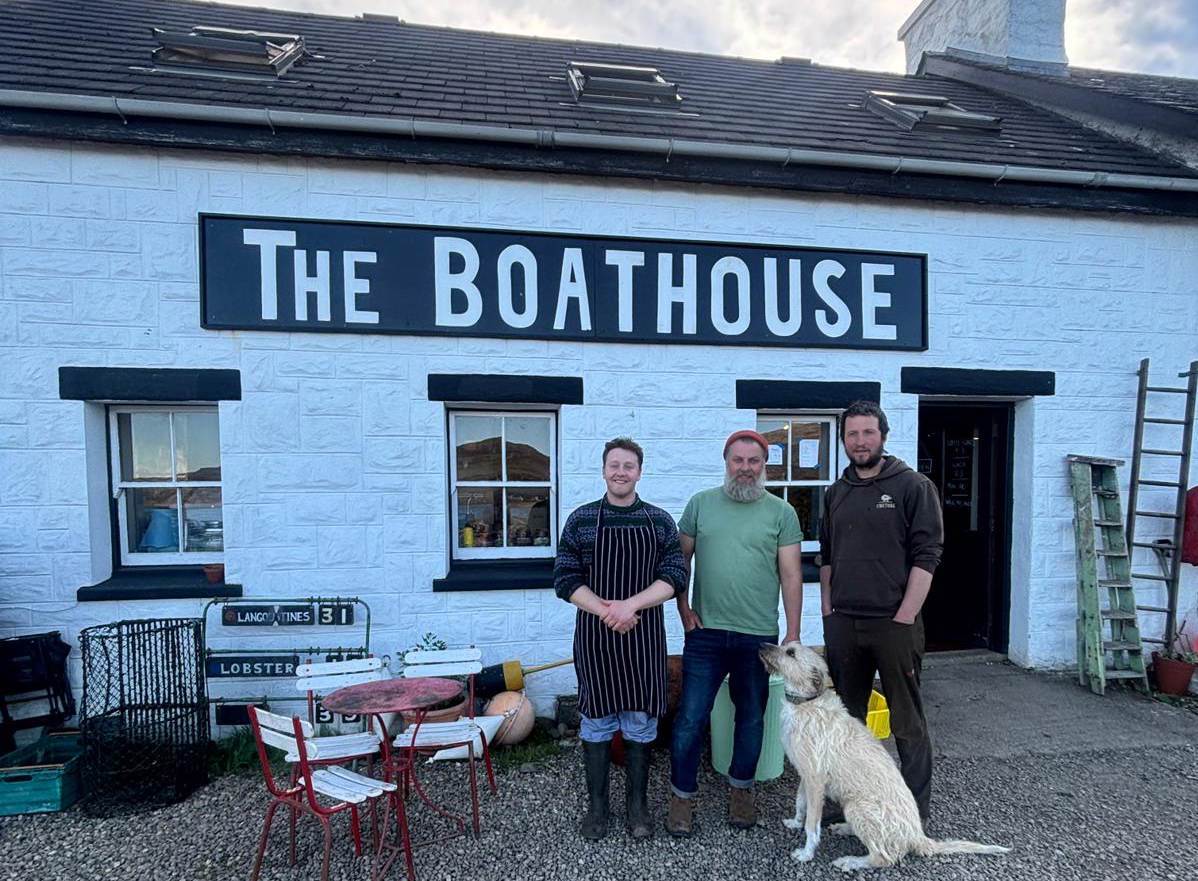
In North Uist, The Dunes Larder received £46,694 to invest in a modular butchery unit so locally produced meat can be processed on the island and sold directly to customers. That means shorter supply chains, fewer food miles, and more value staying within the community.
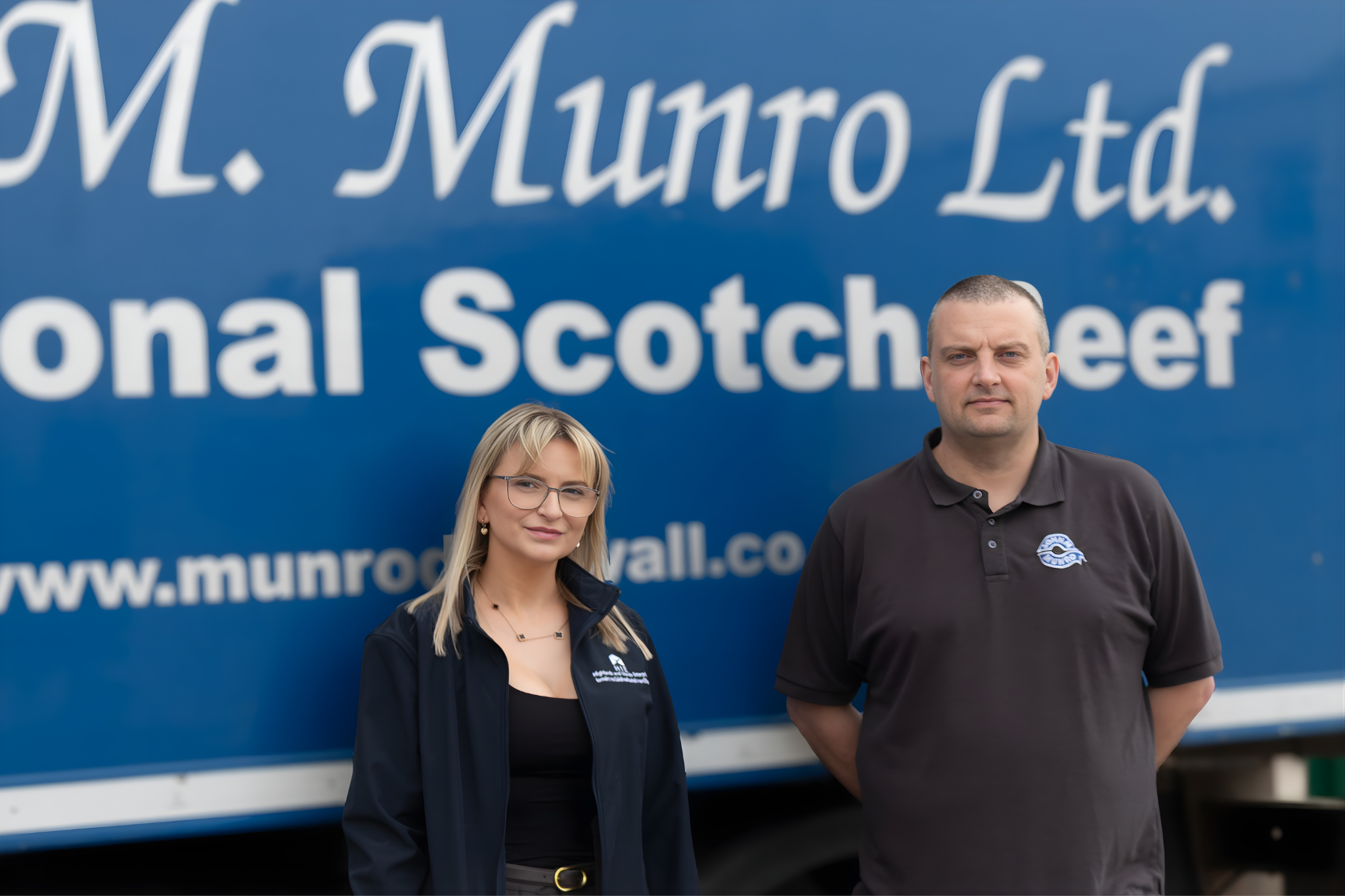
In Dingwall, family run abattoir and meat wholesaler John M Munro Ltd has used £14,918 to upgrade a critical piece of equipment, helping to maintain a key part of the region’s food infrastructure – one that many farmers and crofters rely on.
Finding new ways to reach customers
For small producers, getting products to market can be just as challenging as making them.
Thorabella Farm near Forres has received £10,000 to introduce a mobile farm shop. The mobile unit won’t only stock Thorabella’s produce, it will also provide a route to market for small producers from across Moray and will help to bring local food directly to people who might not otherwise have access to it.
On Bute, Gather Deli is expanding its production and storage space with £30,000 in support. This will allow them to work with more local producers and increase what’s made on the island. It’s a good example of how one business can act as a hub, creating opportunities for others as it expands.
Bigger than the sum of their parts
Taken individually, these are relatively modest projects but when you look at them together, you see something bigger.
They’re:
giving small producers a route to market
supporting local jobs in rural communities
making it easier for people to buy and sell local food
keeping more economic value within communities
There are environmental benefits too - less transport, less waste, and more efficient use of resource. But what really stands out is the sense of confidence these projects are building.
Many of the businesses have been clear: without this support, their plans simply wouldn’t have gone ahead.
What happens next
This was a pilot, so a big part of it for us has been learning and feeding back to the Agriculture and Rural Economy Directorate of the Scottish Government what works, where small producers said the gaps are, and how the public sector can best support them in future.
For me, the key takeaway is this: you don’t always need large-scale investment to make a meaningful difference. Sometimes, well-placed support at the right time can unlock progress that benefits far more than a single business.
And that’s exactly what we’re starting to see here.

Anna Miller
Head of tourism and food and drink
Anna Miller is head of tourism, food and drink at HIE, where she leads work to support rural economies and the growth of tourism and food and drink businesses. She brings experience across marketing, communications and sector development, and previously worked in UK and brand marketing at VisitScotland. Anna has represented the Highlands and Islands on the Tourism and Hospitality Industry Leadership Group and the Scotland Food and Drink Partnership.