
Strengthening connections between Scotland and Ireland’s Gaelic communities

Last Saturday I had the privilege of joining Ireland’s President Catherine Connolly during her visit to the Isle of Skye along with Ian Philp from our local area team. Highland Council’s convener, Bill Lobban, and local area leader John Finlayson were also there.
We were delighted to be part of a programme that highlighted the importance of Gaelic-speaking communities and the role they play in shaping vibrant, sustainable island communities.
President Connolly’s visit comes at an important time for both Scotland and Ireland. While separated by sea, our Gaelic and Gaeltacht communities share many of the same opportunities and challenges. Supporting population retention, creating good jobs, strengthening communities and ensuring that the language and culture remain living, relevant parts of everyday life are priorities that feature strongly on both sides of the Irish Sea.
We were also pleased to be joined by Mairi McAllan, Cabinet Secretary for Education, Culture and Gaelic, underlining the importance of Gaelic language and culture to the future of our island and rural communities.
Our first engagement was at Sabhal Mòr Ostaig (SMO), Scotland’s national centre for Gaelic education, culture and research. The President delivered SMO’s annual lecture before touring the campus and nearby Kilbeg village (Baile na Cille Bige). The village is a project that SMO has led on as part of its wider vision for strengthening Gaelic-speaking communities. It includes much-needed affordable homes and there are plans to build more.
SMO is an excellent example of how the language, education, community and economic development can work hand in hand. Over many years, it has made a significant contribution to the social, cultural and economic life of Skye and the wider region.
It is the only further and higher education institution in the world delivering all its degree and postgraduate programmes entirely through the medium of Gaelic, alongside our wider work in research, language development, culture and the arts.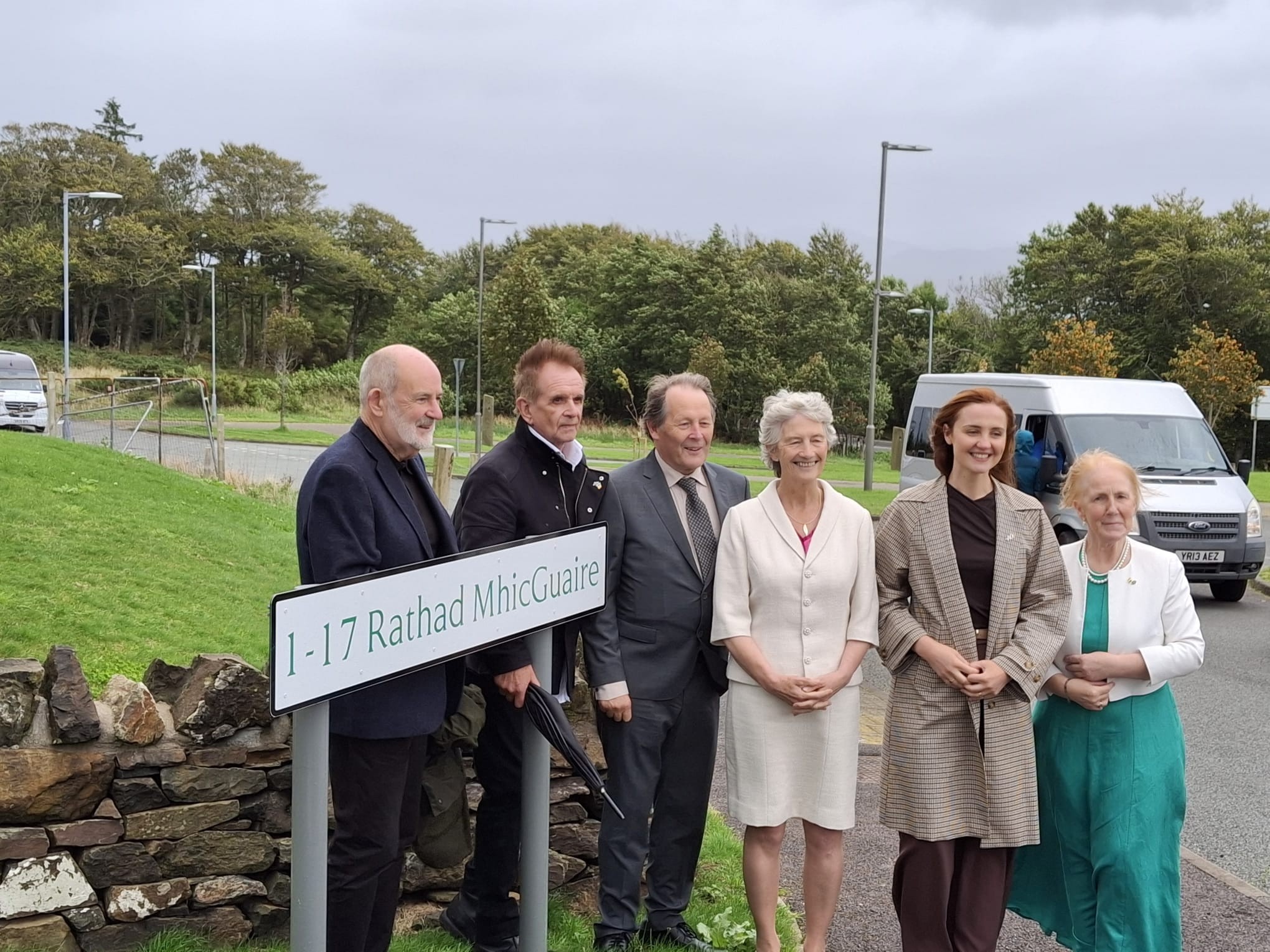
One of the most encouraging things was seeing Gaelic being spoken and used so naturally, whether in education, community initiatives or everyday life. It showed that the language remains a vibrant part of communities across the region.
The visit also highlighted the growing relationship between HIE and Údarás na Gaeltachta (UnG), the Irish regional authority responsible for the economic, social and cultural development of Irish-speaking areas. Last year, HIE and UnG signed a Memorandum of Understanding that formalised a partnership built on shared values and goals.
Both organisations work with rural and island communities where economic development is closely linked with language, culture and community wellbeing. We recognise that thriving communities need more than jobs. They need affordable housing, opportunities for young people and successful businesses.
The MoU creates some exciting opportunities to work together in areas including language development, artificial intelligence, housing, renewable energy, tourism and the marine economy. At its heart, it's about sharing ideas, learning from each other's experiences and finding practical ways to support communities in both Scotland and Ireland.
What's particularly encouraging is that conversations have already moved beyond broad ambitions and into exploring real opportunities for collaboration. These include minority-language AI technologies, sharing knowledge on rural and island housing, and strengthening links between Gaelic and Gaeltacht entrepreneurs and businesses.
The visit was also a valuable opportunity to highlight the work being done across our islands and rural communities. We were able to showcase how organisations such as HIE work alongside communities, businesses and partners to support sustainable economic and social development.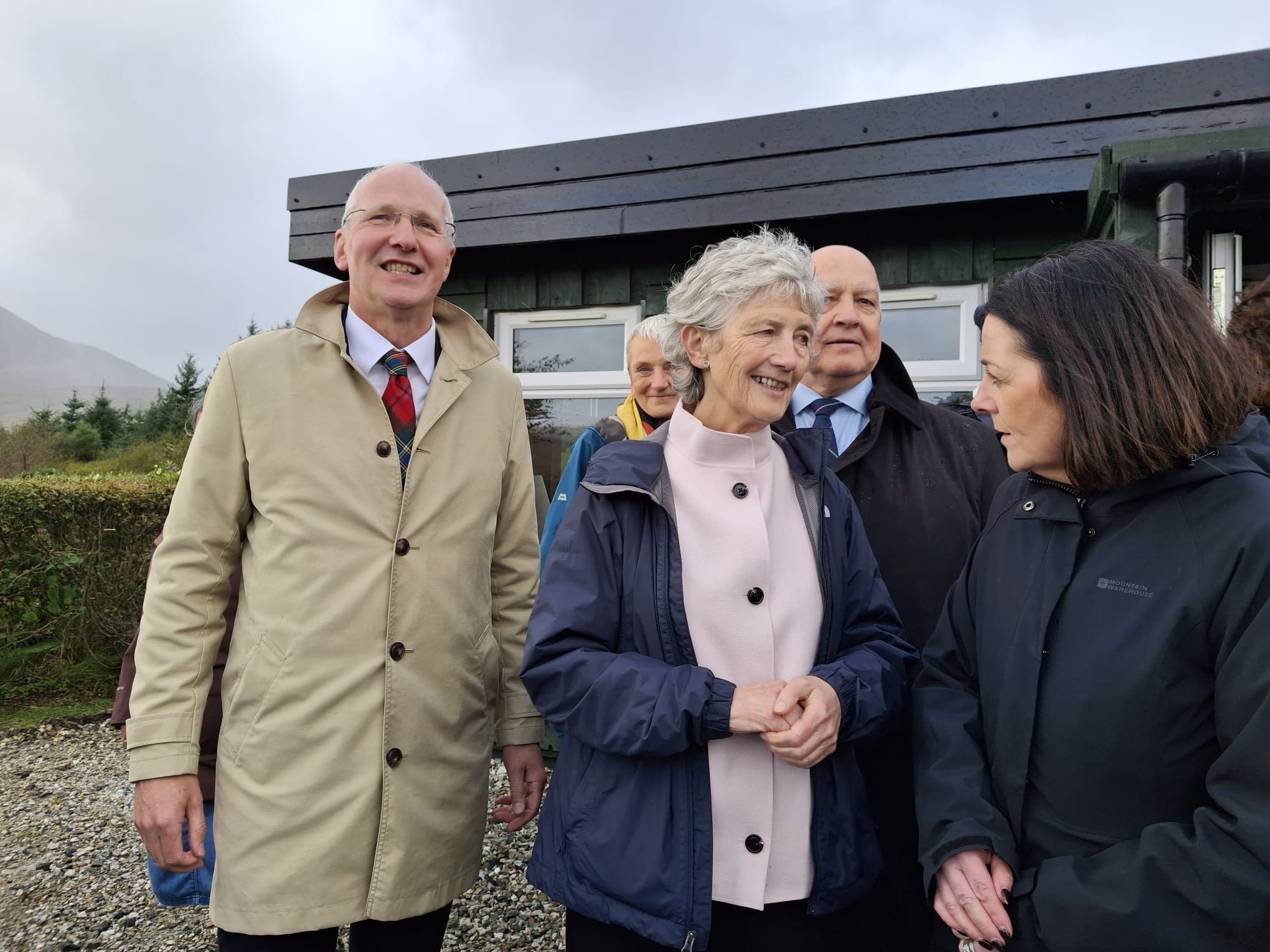
One example was our visit to Broadford, where President Connolly met representatives from Broadford and Strath Community Company (BSCC). It was inspiring to hear about the difference community-led organisations are making on the ground. Social enterprises like this help create opportunities, deliver essential services and build resilience in rural areas. They are often at the heart of thriving communities and are an important part of HIE's work across the Highlands and Islands. BSCC’s campsite which was part-funded by HIE provides a valuable service to many visitors with facilities for campervans, caravans and tents. The revenue generated has led to other projects like community vegetable plots, poly-tunnels, a Men’s Shed and children’s play area. The President showed great interest in all aspects of the visit, particularly time spent with the children as they showed her their playground in the woods.
The people and organisations we met are finding innovative ways to tackle local challenges while building opportunities for the future. By continuing to work together and learn from one another, HIE can help ensure that Gaelic-speaking communities continue to thrive for generations to come.
Tha mi làn dòchais mun àm ri teachd.
Neartachadh cheanglaichean eadar coimhearsnachdan na h-Alba agus na h-Èireann
Disathairne a chaidh, fhuair mi an t-urram a bhith an cuideachd Ceann-suidhe na h-Èireann, Catherine Connolly, fhad ’s a bha i a’ tadhal san Eilean Sgitheanach còmhla ri Ian Philp à sgioba na sgìre ionadail againn. Bha Bill Lobban, neach-gairm Comhairle na Gàidhealtachd agus stiùiriche na sgìre ionadail, John Finlayson, an làthair cuideachd.
Bha sinn air leth toilichte a bhith nar pàirt de phrògram a bha a’ togail air cudromachd nan coimhearsnachdan Gàidhlig agus an t-àite a tha iad a’ coileanadh ann an cumadh choimhearsnachdan eileanach a tha beòthail agus seasmhach.
Tha turas a’ Chinn-suidhe Connolly a’ tighinn aig àm a tha cudromach don dà chuid Alba agus Èirinn. Ged a tha sinn sgaraichte le fairge, tha na cothroman agus na dùbhlain cheudna aig ar coimhearsnachdan Gàidhlig agus Gaeltachta. Tha taic a thaobh glèidheadh àireamh-sluaigh, cruthachadh obraichean matha, neartachadh choimhearsnachdan agus dèanamh cinnteach gun soirbhich an cànan ’s an cultar mar phàirtean beò is buntainneach den bheatha làitheil, nam prìomhachasan a tha follaiseach gu làidir air gach taobh de Shruth na Maoile.
Bha sinn toilichte cuideachd gun robh Màiri NicAilein, Rùnaire Caibineit airson Foghlam, Cultar agus Gàidhlig, an làthair ’s i a’ comharrachadh cudromachd cànan is cultar na Gàidhlig do ar coimhearsnachdan eileanach is dùthchail san àm ri teachd.
Bha a’ chiad phàirt den turas againn aig Sabhal Mòr Ostaig (SMO), ionad nàiseanta na h-Alba airson foghlam, cultar is rannsachadh na Gàidhlig. Lìbhrig an Ceann-suidhe òraid bhliadhnail SMO mus deach i air cuairt air an àrainn agus air Baile na Cille Bige faisg air làimh. Is e pròiseact a th’ ann am Baile na Cille Bige a tha SMO air a stiùireadh mar phàirt de lèirsinn nas fharsainge airson coimhearsnachdan Gàidhlig a neartachadh. Anns a’ bhaile seo, tha dachaighean aig prìs reusanta air a bheil cruadh-fheum, agus tha planaichean san amharc airson tuilleadh a thogail.
Tha SMO na h-eisimpleir shàr-mhath de mar a ghabhas an cànan, foghlam, leasachadh eaconamach is coimhearsnachd, a bhith ag obair làmh air làimh. Thar mòran bhliadhnaichean, tha SMO air cur gu cudromach ri beatha shòisealta, chultarach agus eaconamach an Eilein Sgitheanaich agus na sgìre san fharsaingeachd.
Is e SMO an t-aon institiud foghlaim adhartach agus àrd-ìre air an t-saoghal a tha a’ lìbhrigeadh a prògraman ceum agus iar-cheum uile tro mheadhan na Gàidhlig, taobh ri taobh ri ar n-obair nas fharsainge ann an rannsachadh, leasachadh cànain, cultar agus na h-ealain.
B’ e aon de na nithean a bu bhrosnachaile a bhith a’ cluinntinn na Gàidhlig ga labhairt agus ga cleachdadh ann an dòigh cho nàdarrach, eadar gur ann am foghlam, iomairtean coimhearsnachd no sa bheatha làitheil. Thaisbean sin gu bheil an cànan a’ soirbheachadh mar phàirt bheòthail de na coimhearsnachdan tarsainn na roinne.
Thaisbean an turas cuideachd an dàimh a tha a’ fàs eadar HIE agus Údarás na Gaeltachta (UnG), an t-ùghdarras roinneil Èireannach le dleastanas airson leasachadh eaconamach, sòisealta agus cultarach ann an sgìrean na Gaeltachta. An-uiridh, chuir HIE agus UnG an ainmean ri Meòrachan Tuigse gus com-pàirteachas foirmeil a chruthachadh a tha stèidhichte air luachan agus cinn-uidhe cho-roinnte.
Tha an dà bhuidheann ag obair le coimhearsnachdan eileanach agus dùthchail far a bheil leasachadh eaconamach dlùth-cheangailte ri cànan, cultar agus sunnd coimhearsnachd. Tha sinn a’ tuigsinn gu bheil feum aig coimhearsnachdan a shoirbhicheas air barrachd obraichean. Tha feum aca air taigheadas aig prìs reusanta, cothroman do dhaoine òga agus gnothachasan buadhmhor.
Tha an MoU a’ cruthachadh chothroman brosnachail airson obrachadh còmhla ann an sgìrean, a’ gabhail a-steach leasachadh cànain, inntleachd fuadain, taigheadas, cumhachd ath-nuadhachail, turasachd, agus an eaconamaidh mara. Aig a chridhe, tha e mu dheidhinn a bhith a’ roinn bheachd-smuaintean, ionnsachadh bho chàch a chèile agus lorg dhòighean dèanadach air taic a chur ri coimhearsnachdan ann an Alba agus ann an Èirinn.
Is e a tha gu h-àraid misneachail, gu bheil còmhraidhean air gluasad air adhart mar-thà seachad air àrd-amasan farsaing gu rannsachadh chothroman fìor airson co-obrachadh. Tha iad sin a’ gabhail a-steach teicneòlas AI mhion-chànanan, a’ co-roinn eòlas mu thaigheadas dùthchail is eileanach, agus neartachadh cheanglaichean eadar luchd-tionnsgain agus gnothachasan Gàidhlig agus Gaeltacht.
Bha an turas cuideachd na chothrom luachmhor air togail air an obair a tha ga coileanadh tarsainn choimhearsnachdan ar n-eilein agus ar dùthcha. Bha sinn comasach air taisbeanadh mar a tha buidhnean leithid HIE ag obair còmhla ri coimhearsnachdan, gnothachasan agus com-pàirtichean mar thaic do leasachadh seasmhach eaconamach agus sòisealta.
B’ e ar turas don Ath Leathann aon eisimpleir, far an do choinnich an Ceann-suidhe Connolly ri riochdairean bho Chompanaidh Coimhearsnachd an t-Sratha (SCC). Bha e na fhìor thogail a bhith a’ cluinntinn mun diofar a tha buidhnean fo stiùir na coimhearsnachd a’ dèanamh am measg an t-sluaigh. Tha iomairtean sòisealta mar seo a’ cuideachadh le cothroman a chruthachadh, seirbheisean deatamach a lìbhrigeadh agus seasmhachd a thogail ann an sgìrean dùthchail. Tha iad glè thric aig teis-meadhan choimhearsnachdan soirbheachail agus nam pàirt chudromach de dh’obair HIE air feadh na Gàidhealtachd ’s nan Eilean.
Tha làrach-campachaidh SCC, a bha pàirt-mhaoinichte le HIE a’ toirt seachad seirbheis luachmhor do mhòran luchd-tadhail agus goireasan ann do bhanaichean-campachaidh, carabhanan agus teantaichean. Tha an teachd-a-steach bhon sin air leantainn gu pròiseactan eile leithid feannagan-glasraich coimhearsnachd, pola-tunailean, Seada Fir agus raon cluiche chloinne. Nochd an Ceann-suidhe ùidh mhòr anns gach taobh den turas, gu h-àraid ùine air a chur seachad còmhla ris a’ chloinn agus iad a’ sealltainn dhi an raon-cluiche aca sa choille.
Tha na daoine agus na buidhnean ris an do choinnich sinn a’ lorg dhòighean tionnsgaineach air dèiligeadh ri dùbhlain ionadail fhad ’s a tha iad a’ togail chothroman don àm ri teachd. Le bhith a’ leantainn air adhart ag obair còmhla agus ag ionnsachadh bho chàch a chèile, faodaidh HIE cuideachadh le dèanamh cinnteach gun lean coimhearsnachdan Gàidhlig orra a’ soirbheachadh airson ghinealaichean ri teachd.
Tha mi làn dòchais mun àm ri teachd.

Stuart Black
Chief Executive
Stuart was appointed as HIE's Chief Executive in January 2022 having held the role of Interim Lead Area Manager previously. Originally from Inverness, he is a graduate of the universities of Edinburgh and Glasgow, where he gained a doctorate in town and regional planning. Stuart began his career with the University of Aberdeen, before joining HIE for the first time in 1996, as head of economics. Between then and 2008, he held several posts covering different parts of the organisation’s remit. These included local enterprise company chief executive, director of strengthening communities, and director of global connections. From 2008 to 2020, he was a member of the senior team at the Highland Council, initially as director of planning and development, and later as executive chief officer for transformation and economy.